

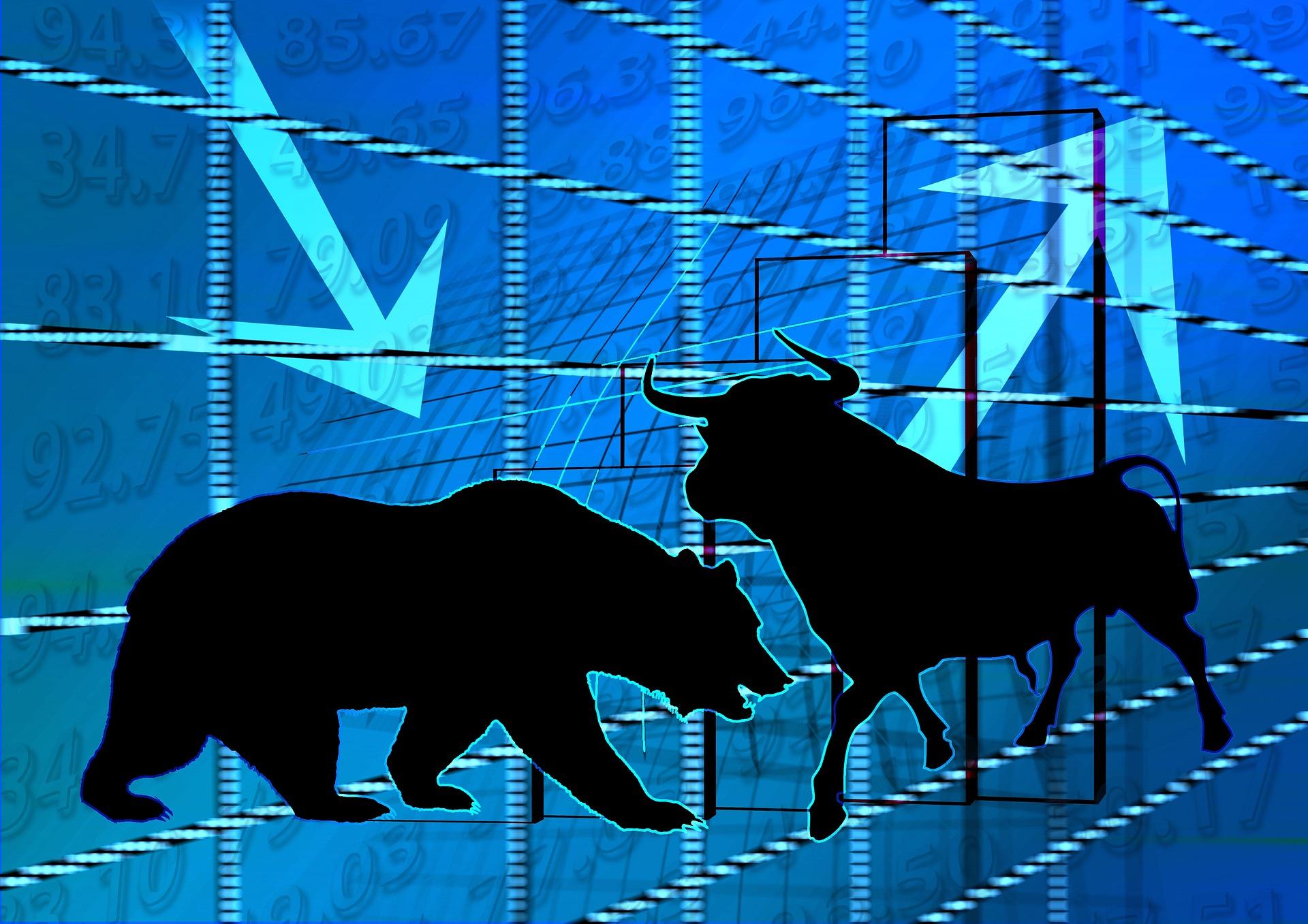
A little virus from China has caused a lot of fear around the world. While most of the news that is reported is fear mongering bordering on hysteria, it has had a large impact on the world economy. A lot of countries and companies are unsure on how to react to the threat of this virus. This can lead to rush decisions and, in most cases, overreactions. But how do we deal with the fear in respect of our own lives and finances.
There is an old saying that the market is driven by just two emotions: fear and greed. Although this is a simplification, it can often be true. Succumbing to these emotions can profoundly harm investor portfolios, the stock market, and even the economy.
In the realm of investing, one often hears about, for instance, the contrast of value investing and growth investing. These are important concepts, but human psychology is equally important. There is a vast academic literature, known as “behavioural finance,” devoted to the topic. My goal is to spend a few minutes to describe what happens when emotions drive investment decisions.
Influence of greed
Most people want to get rich as quickly as possible, and bull markets invite us to try it. The Internet boom of the late 1990s is a perfect example. At the time, it seemed all an advisor had to do was pitch any investment with dotcom at the end of it, and investors leaped at the opportunity. Buying of Internet-related stocks, many just startups, reached a fever pitch. Investors got greedy, fuelling more buying and raising prices to excessive levels. Like many other asset bubbles in history, it eventually burst, depressing stock prices from 2000 to 2002. While such is the environment we have found ourselves in again.
This get-rich-quick thinking makes it hard to maintain a disciplined, long-term investment plan, especially amid what was famously called “irrational exuberance.” It’s times like these when it’s crucial to maintain an even keel and stick to the fundamentals of investing, such as maintaining a long-term horizon, dollar-cost averaging, and ignoring the herd, whether the herd is buying or selling.
A lesson
An exemplar of clear-eyed, long-term investing is Warren Buffett, who largely ignored the dotcom bubble and had the last laugh on those who called him mistaken. Buffett stuck with his time-tested approach, known as value investing. This involves buying companies the market appears to have underpriced, which necessarily means ignoring speculative fads.
Influence of fear
Just as the market can become overwhelmed with greed, it can also succumb to fear. When stocks suffer large losses for a sustained period, investors can collectively become fearful of further losses, so they start to sell. This, of course, has the self-fulfilling effect of ensuring that prices fall further. Economists have a name for what happens when investors buy or sell just because everyone else is doing it. It is herd behaviour.
Just as greed dominates the market during a boom, fear prevails following its bust. To stem losses, investors quickly sell stocks and buy safer assets, like money market funds, income funds, and principal protected segregated funds. Low risk and low return investments.
Following the herd
This mass exodus from the market shows a complete disregard for long-term investing based on fundamentals. Granted, losing a large portion of your equity portfolio is a tough pill to swallow, but you only compound the damage by missing out on the inevitable recovery. In the long run, low-risk investments saddle investors an opportunity cost of forfeited earnings and compounded growth that eventually dwarf the losses incurred in the market downturn.
Just as scrapping your investment plan for the latest get-rich-quick fad can tear a large hole in your portfolio, so too can fleeing the market along with the rest of the herd, which usually exits the market at exactly the wrong time. When the herd is fleeing, you should be buying, unless you’re already fully invested. In that case, just hold on tight.
Comfort level
All this talk of fear and greed relates to the volatility inherent in the markets. When investors find themselves outside of their comfort zones due to losses or market instability, they become vulnerable to these emotions, often resulting in very costly mistakes.
Avoid getting swept up in the dominant market sentiment of the day, which can be driven by irrational fear or greed, and stick to the fundamentals. Choose a suitable asset allocation. If you are extremely risk-averse, you are likely to be more susceptible to fear, therefore your exposure to equities should be smaller than that of people with a high tolerance for risk.
Buffett once said: “Unless you can watch your stock holding decline by 50% without becoming panic-stricken, you should not be in the market.”
This isn’t as easy as it sounds. There’s a fine line between controlling your emotions and being just plain stubborn. Remember also to re-evaluate your strategy from time to time. Be flexible, to a point, and remain rational when making decisions to change your plan of action.
The Bottom Line
Here are the key takeaways:
- Letting emotion govern your investment behaviour can cost you dearly.
- It’s usually best to ignore the investment trend of the moment, whether bullish or bearish, and stick to a long-term plan based on company fundamentals.
- It’s critical to understand how risk-sensitive you are and to set your asset allocations accordingly.
You are the final decision-maker for your portfolio, and thus responsible for any gains or losses in your investments. Sticking to sound investment decisions while controlling your emotions, whether they be greed-based or fear-based, and not blindly following market sentiment is crucial to successful investing and maintaining your long-term strategy. That is the concept of Keeping Life Current.