
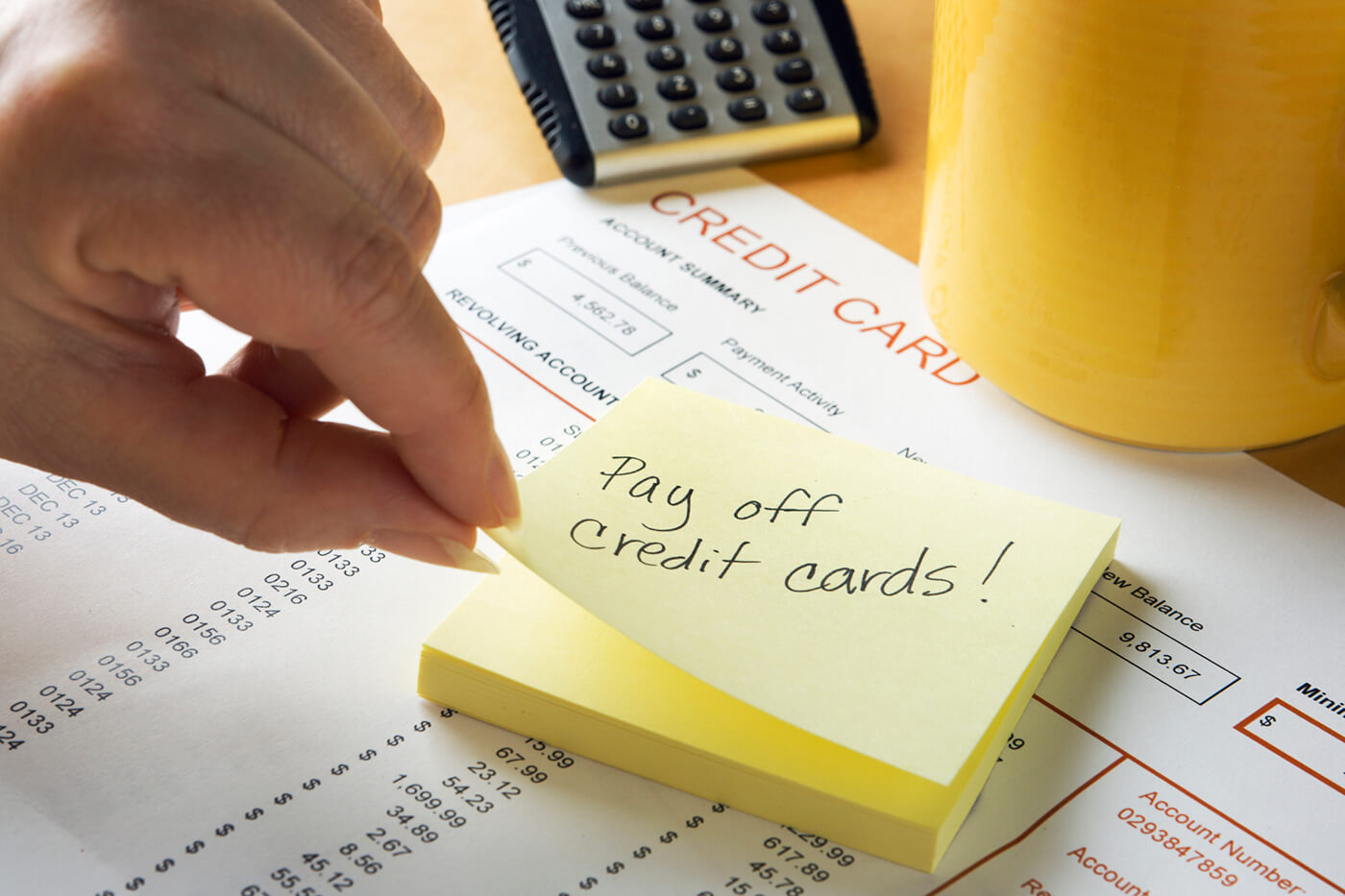
After discussing how to prioritize debt repayment in our last post, our third post is the taunting task on how to repay credit cards. Try as you might, do you find you just can’t seem to pay down your credit card debt? Take solace in knowing you’re not the only one: Only about 35 percent of Canadians pay their credit card bills in full each month.
But just because you’re in good company doesn’t mean you shouldn’t figure out how to pay down your credit card debt. After all, when you don’t pay off your bill, you’re hit with finance charges and with the average credit card annual percentage rate (APR) or interest rate. The interest rate on credit card debt is approximately 19% with many as high as 29.99%.
Yes, paying down your credit card debt will take some patience, strategy and discipline but it’ll also help you free up money that can go toward other important financial goals. Here are some steps to help you get started.
Build your safety net first
Before you get gung-ho about throwing money at your credit card debt, first things first: Make sure you have at least one month of your take-home pay stashed away in an emergency fund, or the highest earner’s take-home pay, if you’re married or have a partner. That way, you’re covered if you get hit with an unexpected bill, like replacing a flat tire or covering your kid’s chipped tooth. Getting caught off guard by these types of expenses are often what leads to big credit card bills in the first place.
Keep paying the minimum balance due on your credit cards until you’ve reached that one-month benchmark in your emergency savings. Once that’s been hit, take a look at your budget, and figure out how much more you can comfortably put toward your credit card payments. You don’t want to overestimate this amount; otherwise, you could get caught up in a pay-spend-pay cycle. That happens when you throw so much at your credit card debt that you don’t leave yourself with enough cash at the end of the month to cover other bills and day-to-day spending which leaves you turning to your credit card yet again.
List your credit cards by interest rate
Make a list of all your credit cards, sorted from highest interest rate to lowest, and write down the outstanding balances.
Then pick up the phone and call your credit card issuers to ask if you can get your interest rate lowered. You don’t get what you don’t ask for. When you make the call, be prepared to provide examples of other interest rate offers you’ve received and see if your issuer can match or beat the rate. Also make sure you understand any conditions the issuer may put on your card if it lowers your interest rate. For instance, confirm it won’t just try to close your card or shoot the interest rate back up after your balance is paid off.
Did you manage to negotiate down a couple of cards? Great. Now sort by interest rate again.
Note that you can also take advantage of balance transfer offers to help lower your interest rate but be cautious that whatever zero percent or low interest rate deal you’re getting will be temporary. If you can’t pay it off before the interest rate goes up or if it doesn’t make sense to throw a lot of money at a zero percent card just to beat the expiration date, while you’re continuing to rack up debt on a higher interest card. This move may not be worth the trouble or any balance transfer fees.
Start with the card with the highest interest rate
You want to aggressively pay down your highest interest rate card first because that’s the debt for which you’re being charged the most. Take that extra amount from the first step that you’ve determined you can put toward your debt and start applying it to the card at the top of your list. For example, if your minimum payment on your highest-rate card is $25 and you’ve decided you can spare an extra $100 a month to put toward credit card debt, start paying $125 on that first card and keep paying the minimum on the rest of your credit cards.
Once that highest interest card- is paid off completely, apply that extra $125 next to your second card and continue as you move your way down the list. This approach to debt payment is known as the avalanche method.
Here are two exceptions to the avalanche method: If you need a motivational boost to stay on your debt pay off path, then you may want to knock off some of your smaller balances first. If you have one or two cards that you think can be paid off in a month or two, you can temporarily switch your focus to those. Also, if you’re confident you can tackle a card with a zero percent promo quickly, you could focus on that first as well. Paying off your smaller balances first is known as the snowball method, and it can come in handy when you need to psych yourself up by crossing some cards off your list more quickly.
Commit to staying out of credit card debt
Unfortunately, it takes more effort to pay off credit card debt than it does to get into it. It’s important to stay committed to your budget in order to avoid the overspending that may have contributed to your debt. Think of it as a trade off: Resisting the temptation of a pricey dinner out or that new set of golf clubs is saving you on interest and thus freeing up your funds for bigger money goals down the line.
The bottomline
In this process of paying off your credit card don’t forget to keep your emergency fund well stocked. That means adding to your emergency savings past the one month mark, especially if a lot of your credit card debt is from swiping your plastic whenever an emergency expense pops up.
Ideally, you should be continuing to save in your emergency fund at the same time as you’re paying down credit card debt, until you reach about six months of take-home pay. That should provide a comfortable enough cushion to cover you if a budget draining disaster strikes. Also, it’s a good idea to keep a separate non-monthly savings account to cover expenses that you pay only once or a few times a year, so you won’t have to go into debt when those costs come around. After all, paying down credit card debt isn’t just about throwing as much cash as possible at your balances. It’s part of a holistic financial life plan that helps you tackle your debt in a smart way and keeps you from racking it up in the future. All part of Keeping Life Current.