
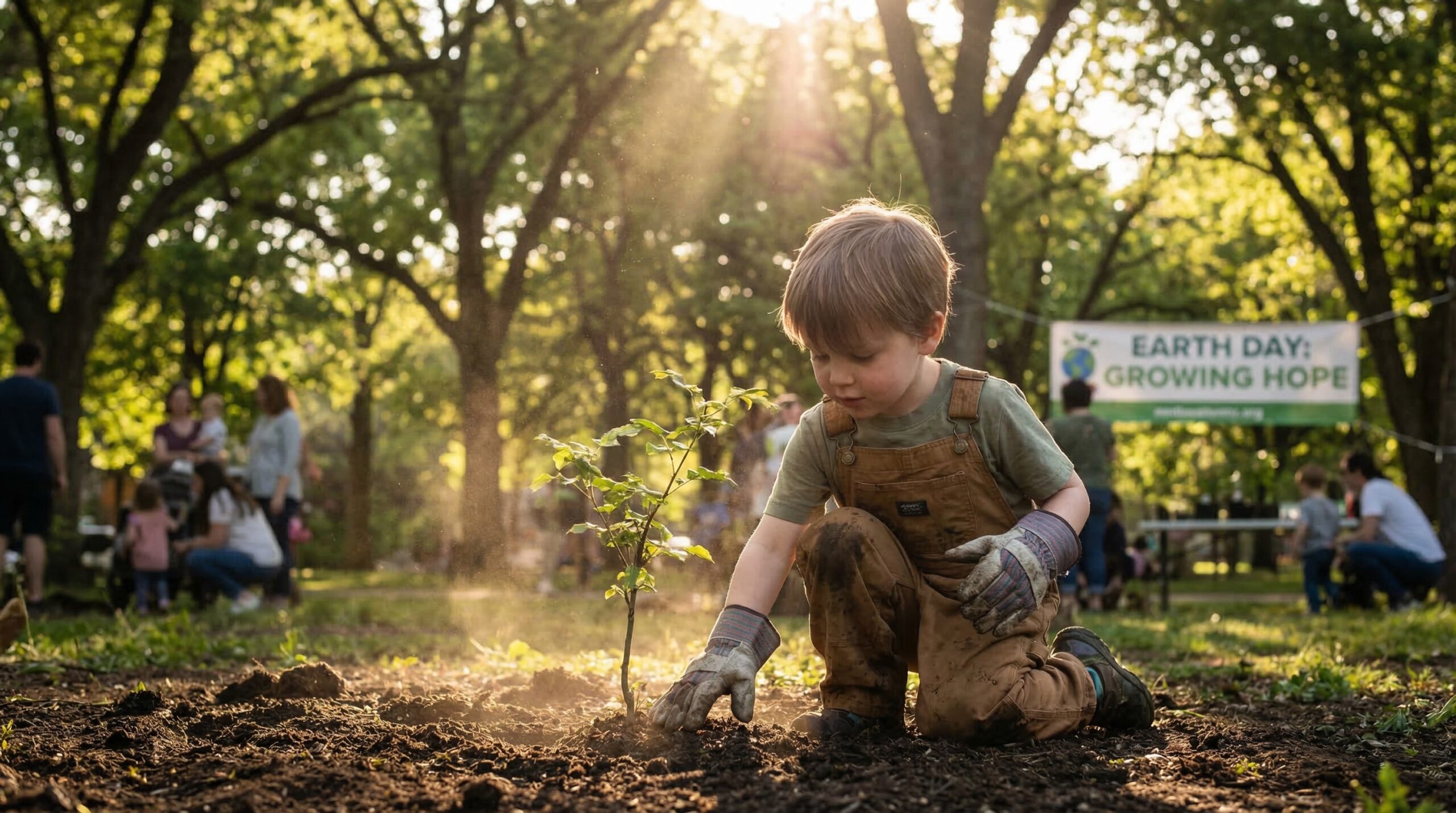
September is a month of transition in Canada. Summer gives way to autumn, the days become shorter, and the landscape slowly changes colour. Across the country, wildlife responds to the changing season as birds migrate, animals prepare for winter, and forests, wetlands, lakes, and rivers move through another natural cycle.
It is a wonderful time to think about stewardship, not only in the natural world, but in our financial lives. To be a steward is to take responsibility for something of value, care for it, respect it, and consider what it will mean for those who come after us. Stewardship recognizes that we are part of something larger than ourselves and that the decisions we make today can influence the future.
A perspective of stewardship
Canada’s forests, lakes, rivers, wetlands, and wildlife were not created for one generation. We inherited them, benefit from them, and have a responsibility to consider what condition they will be in for those who come after us. Our financial resources can be viewed in much the same way.
Our resources can provide freedom, support the people we love, contribute to causes that matter, and help create the future we envision. Being a steward of your finances isn’t simply about how much you earn, save, or invest. It is about understanding what your resources mean within the context of your life and how they can support what matters most.
Financial life planning helps bring those connections into focus. Rather than looking at money in isolation, it considers how your financial resources can support your priorities, relationships, values, and vision for the future.
More than money
A financial life plan should ultimately reflect your life. Not the other way around. Our priorities naturally change as we move through life. What matters early in our careers may look very different as our families grow, careers evolve, retirement approaches, or new opportunities emerge.
Being a good financial steward means remaining aware of those changes. Your vision for retirement may change, family circumstances may shift, or something that once seemed important may no longer carry the same meaning. These changes are simply part of life.
Financial life planning recognizes that life is constantly changing and that your financial strategy should evolve alongside it. Keeping your financial life current means continuing to consider whether your resources and decisions are supporting the life you want to live.
Thinking beyond yourself
Environmental stewardship reminds us that our actions can affect people, communities, and ecosystems beyond ourselves. Financial decisions can have a similar reach. Our financial lives are connected to spouses, children, parents, businesses, communities, charitable organizations, and future generations.
For some, stewardship may mean helping children pursue an education. For others, it may mean supporting family, contributing to the community, building a business, giving to charitable causes, or creating opportunities for the next generation. There is no single definition of financial stewardship because there is no single definition of a meaningful life.
What matters is understanding what is important to you and considering how your resources can support it. This shifts the emphasis away from simply having more and toward understanding what your resources can make possible. Wealth becomes a means rather than an end. A resource that can provide choices, opportunities, experiences, generosity, and the ability to contribute to something larger than ourselves.
Purpose, not perfection
Nature doesn’t remain static, and neither does life. Plans change, priorities evolve, and circumstances develop in ways we could not have anticipated. Good stewardship does not mean having perfect control over every outcome. It means being intentional about the decisions within our control and being willing to adapt when life changes.
An ongoing financial life planning relationship provides an opportunity to step back from the day to day and consider whether your financial decisions still support your priorities and your vision for the future. A good financial plan should provide direction and confidence while remaining flexible enough to accommodate change.
The goal isn’t perfection. It is alignment. When your financial decisions reflect your values and vision, you can approach your financial life with greater clarity and confidence.
The legacy you leave
Environmental stewardship naturally encourages us to think about future generations. We protect forests and restore wetlands knowing that people and wildlife may benefit from that work long after we are gone. We conserve natural spaces because they should remain available for those who come after us.
Financial stewardship can involve the same kind of long-term thinking. A financial legacy isn’t necessarily about leaving behind a certain amount of money. It can be about opportunities, education, generosity, values, experiences, or responsibility.
Your resources may help the next generation pursue an education, support family members, contribute to a cause, establish traditions, or create lasting experiences. Ultimately, a financial legacy is about what those resources make possible.
Thinking about legacy can bring greater meaning to financial decisions today. It connects planning not just to what we have, but to the people, principles, and causes we want to support.
Wealth with what matters
Money is ultimately a resource. Its meaning comes from what it allows us to do. For one person, financial success may mean having more time with family. For another, it might mean travelling, supporting a business, contributing to the community, pursuing a passion, or creating a lasting legacy.
There is no universal definition of financial success. That is why effective financial life planning should begin with understanding what matters to you. The numbers are important, but they are part of a larger picture and help provide a roadmap toward the life you want to live.
When financial decisions are connected to values and life goals, planning becomes much more than managing money. It becomes a way of being intentional about the future and ensuring that your resources continue to serve a meaningful purpose.
It’s an ongoing process
Just as Canada’s landscapes require ongoing care, our financial lives require ongoing attention. Stewardship is a continuing process of adapting to change and making decisions with intention.
Your family may change, your career may take an unexpected direction, or your retirement vision may evolve. Your priorities may shift as you gain new experiences and perspectives. Your financial strategy should have the flexibility to evolve with you.
This is at the heart of it. Financial life planning is not a one-time exercise or a document that is completed and filed away. It is an ongoing process that should reflect where you are today, where you are going, and what matters most along the way.
Thinking about success
Perhaps the greatest value of viewing financial life planning through the lens of stewardship is that it changes how we define success. Success isn’t simply about having more. It can be about making thoughtful use of what you have, having the freedom to make choices that reflect your values, helping others, contributing to something larger than yourself, and creating possibilities for tomorrow.
As we enjoy Canada’s changing landscape this September, the natural world reminds us of what stewardship means. We are temporary custodians of many things we value. Receiving them, caring for them, and passing them forward.
Our financial resources can be viewed in much the same way. Money is a resource to understand, care for, and use purposefully. It can help us live the life we value today while creating opportunities for the people and causes that matter tomorrow.
The bottom line
Just as environmental stewardship asks us to think about the world we leave behind, financial stewardship asks us to consider the possibilities we can create for ourselves, for the people we love, for our communities, and for future generations.
The future is shaped by what we choose to do with what we have today. Its about Keeping Life Current.