
In today’s fast-paced world, credit cards have become an indispensable financial tool, offering convenience and flexibility. However, improper use of credit cards can lead to financial challenges that are difficult to overcome.
In this post, we will explore the dangers associated with unwise credit card use and provide practical tips for managing them responsibly.
The debt trap
One of the most significant risks of using credit cards unwisely is falling into a cycle of debt. When individuals spend beyond their means, they may struggle to pay off their balance in full each month. This leads to interest charges that can quickly accumulate, making it even more challenging to reduce the debt.
Additionally, carrying a high balance on your credit card can negatively impact your credit score which isa critical aspect of your financial health. Lenders view individuals with high credit utilization as higher-risk borrowers, which can result in increased interest rates or even denial of credit.
Impulse purchases
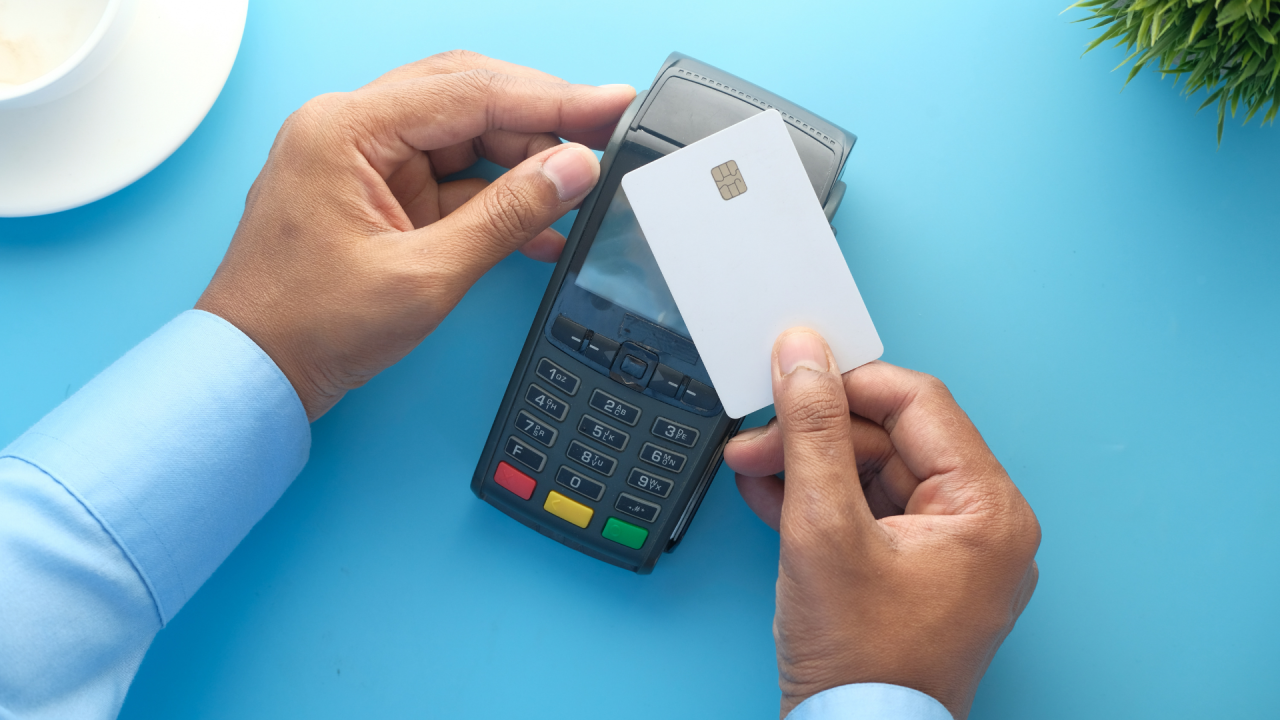
Credit cards make it incredibly easy to make impulse purchases, often leading to overspending and financial strain. The simplicity of swiping or tapping a card to complete a transaction can create a false sense of affordability and lead to the accumulation of unnecessary items or services.
Fraud and identity theft
Using credit cards unwisely also increases the risk of fraud and identity theft. Sharing credit card information online or over the phone without proper security measures can result in unauthorised transactions and potential long-term damage to one’s credit history.
Increased spending
Increased spending is one of the dangers of credit card points. If you want to get rewards, you need to spend money to get points. This means putting more of your money toward buying things you might not need, but need to buy so you can earn points and get rewards.
If you can’t pay off the card every month, you may start carrying a balance and find yourself getting stuck in credit card debt. In addition to carrying a balance, you’ll also rack up interest and ultimately wind up paying back more money than you spent.
Dangers of credit card points
When your money is tied up in monthly debt payments, you work hard to make everyone else rich. Excessive credit card use keeps you from building wealth. Financially sound people didn’t break through financially simply because of their credit card points. They became wealthy because they saved and invested their income. If you think your credit cards are helping you get ahead of your finances via cash back, rewards and points, think again.
Credit card points work the way you think they would. Depending on the terms of your credit card, you can earn points with every purchase or transaction you make using this credit card. Eventually, these points can be put toward a reward, like cash or airline miles. However, to reach rewards you need to spend a lot of money. The more money you spend, the more points you earn and the more you’ll be able to put these points toward a reward.
You won’t be able to collect a ton of points and store them up for a rainy day. Some points expire just after 18 months. If you don’t use it, you will lose it. Pay attention to is the possibility of losing points. Depending on your credit card policy, you may lose some or all of your points if you miss a credit card payment or your card is flagged for inactivity.
How closely do you read the fine print for the rewards? Consider airline miles as a reward. While it may sound like a good deal to get a free flight, think about the amount of money you need to spend before you can cash in on this freebie. You might find you’re spending more money than the flight ticket was worth.
Even when you do finally earn this flight as a reward, it might come with other strings attached. You’ll still need to pay taxes and fees since these aren’t covered by travel miles. You might also find you have limited seating options due to earning the flight via travel miles or you cannot redeem the flight due to blackout travel dates. Review the fine print again and consider whether the reward is worth the spending necessary to reach it.
Responsible use strategies
To avoid the pitfalls of unwise credit card use, consider adopting the following strategies:
- Establish budgets: Creating a monthly budget helps you understand your spending limits and ensures you don’t spend more than you can afford.
- Pay balances monthly: To avoid interest charges and protect your credit score, prioritise paying off your credit card balance in full every month.
- Planned purchases only: Resist impulse buys by using your credit card exclusively for pre-planned purchases that align with your budget.
- Review your statements: Monitoring your credit card statements helps you identify any fraudulent transactions or billing errors promptly.
- Leverage rewards programs: Many credit cards offer rewards programs that can help save money on travel, dining, or retail purchases. Be sure to accumulate these rewards wisely and not as an excuse to overspend.
- Safeguard personal information: Exercise caution when sharing credit card details online or on the phone. Ensure you’re dealing with reputable websites and companies and use secure connections when making transactions.
The bottomline
Responsible credit card use is essential for maintaining financial stability and avoiding the risks associated with excessive spending, impulse purchases, and fraud. Working with a financial life planner can assist is monitoring your usage and offer best practice strategies geared to your situation.
By implementing practical strategies and exercising discipline, individuals can enjoy the benefits of credit cards without succumbing to the potential dangers they can pose. Such an approach is in line with Keeping Life Current.