
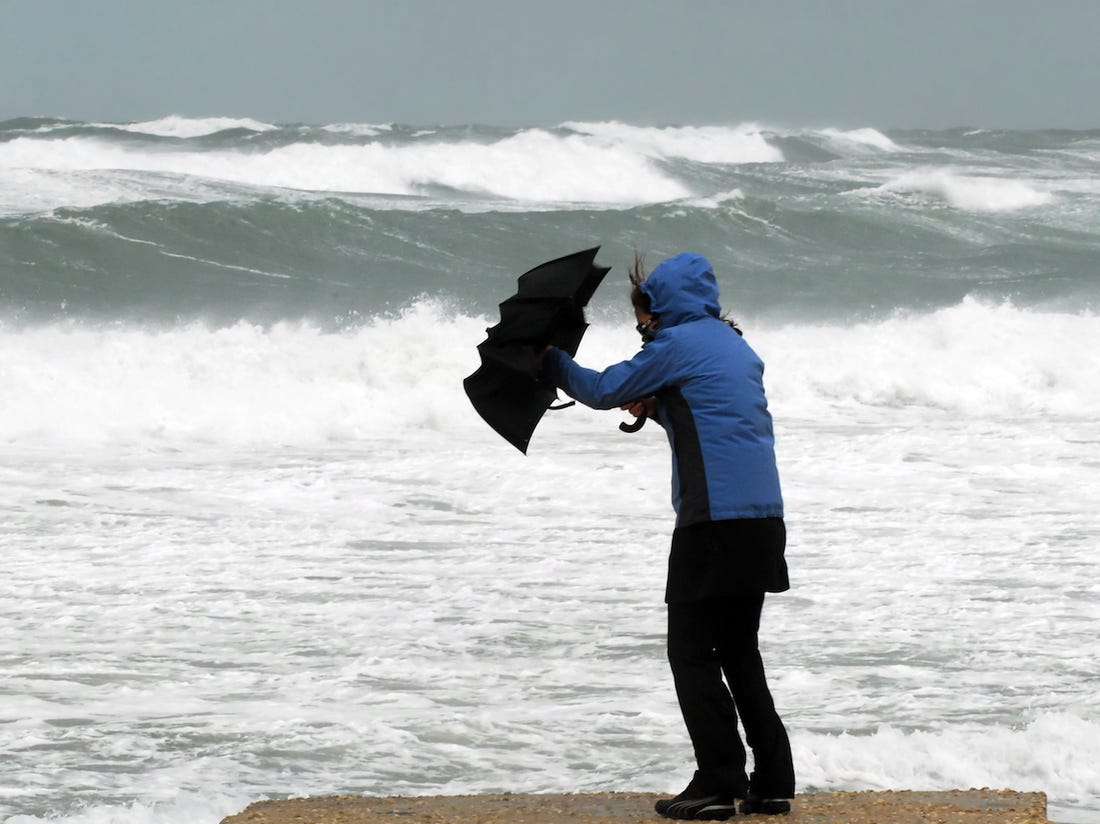
Well it seems we are experiencing a perfect storm. I pandemic and a plummeting stock market. This has led to some of our national banks to predict a pending recession. Recent signs that a recession is coming have Canadians panicking.
Though no one can predict exactly when a recession will occur, one thing is true: Recessions are a cyclical component of the economy, and another is bound to happen at some point, whether one or 10 years into the future.
So what exactly is a recession and how can you protect your finances during the next one?
A recession is defined as a period of significant economic downturn that lasts longer than two consecutive quarters. Usually, economists look to the gross domestic product as the primary measure of economic health. However, the Bank of Canada, the body that officially declares and measures recessions, says a negative GDP doesn’t necessarily have to occur to call a recession.
When it comes to shoring up your savings and investments against a recession, it’s important to understand that no one is 100% immune to its effects.
Everyone is subject to risk. The best safeguard someone can have in place during a period of recession is a professional retirement plan that is goal-based.
That’s because a 25-year-old with an aggressive investment plan is going to ride out a recession much differently than a 60-year-old whose top goal is avoiding financial loss. A retirement plan should take into account timelines, ages, risk tolerance and so much more. You should know what your portfolio is going to look like during a severe market downturn so that you fully understand what real risk looks like.
That said, there are a few steps you can take to minimize losses during a recession, no matter your age or financial goals.
Understand your cash flow
The first step in preparing for an economic downturn is knowing where you stand. An easy way to do this is calculating your cash flow, or how much money you have coming in versus going out.
Uncertainty is a major cause of financial stress, so understand what your cash flow looks like in a typical month, and some of that uncertainty will be removed. If you lose your job or if the revenue slows down in your business, you may feel less constrained if you know how many months your savings will last you.
There are a number of free software tools available to help you figure out this number, such as Mint. Simply link your accounts, and the software will track all your transactions and categorize them.
You will see patterns emerge, like more fun money spending in summer months or around holidays, but you will also see the consistent needs of the household and know what it costs to keep yourselves going when you need to be lean. You can then set specific budget goals and look for ways to cut costs or increase savings.
Have a fully funded emergency fund
One of the best defenses against any unexpected financial strain is an emergency fund. During a recession, you can tap into that fund rather than rack up high-interest debt.
It is suggested that you have at least three to six months’ worth of living expenses set aside, preferably in a high yield savings account. It is not to be touched for any reason other than a true emergency. For example, if you are laid off, a strong possibility during a recession, you would have enough liquid money to keep you afloat for a while. Building your emergency savings is priority one and takes precedence over all else. You should constantly be working to fund this until you have reached the amount you need.
Get rid of debt
Once you’ve built up an emergency fund, your next priority should be paying off as much debt as possible.
If money becomes tight, you’ll want your income going toward basic living expenses and not paying back lenders. Plus, if you wind up missing payments, it will wreck your credit score and make it tougher to get approved for new credit once the economy recovers. It is recommended you focus on high-interest debt first, such as credit cards and private student loans.
Review your asset allocation
You’ll also want to be sure that your current asset allocation, or mix of investments, matches your risk tolerance and retirement goals. If you’re close to retirement age, for example, you might need to make your investments more conservative in preparation for a possible recession. The 80/20 equity to fixed income mix is sure to go south, and it becomes nearly impossible to make up for those lost dollars.
On the other hand, if you’re in your 20s or 30s, you still have decades to make up any losses and can afford to ride out the storm with a more aggressive portfolio. In fact, a recession is a great time to buy up more securities at rock-bottom prices if you can.
Update your résumé
Unfortunately, even the most dedicated employees are at risk of being laid off during a recession. In 2008, many Canadians lost their jobs. The highest level in more than six decades. Those at the highest risk of becoming unemployed are university graduates.
Brush up on your job skills and keep your resume up to date. In the unfortunate case of a job loss, you are ready and poised to showcase your talents and stand out among the thousands you may be up against.
Stick to your plan
It’s important to understand that recessions do happen. All you can do is prepare as best you can. The key is not to panic when markets take a nosedive and undo that planning. By selling at the bottom of the market, you will miss out on the opportunity to gain back those losses as the economy recovers.
In the most recent recession, the Canadian TSX began dropping at the end of 2007 and began recovering by mid-2009. Recessions can be dramatic, but even in the most dramatic example from recent history, we see the market climbing back up within two years.
The bottomline
Of course, this doesn’t mean that all future recessions will behave the same way, but historically, they’re briefer than we tend to remember.
Whatever investment strategy you chose before the recession will likely remain functional after the recession. Just because things look bad momentarily doesn’t mean they will be bad forever.
Recessions are cyclical. Bear and bull markets are cyclical. They will come and they will go. It is not the end of the world. Most people’s investments are invested for the long term. You only incur losses if you sell your investments. Warren Buffet said the worst time to sell is in times of fear and greed. Keeping a positive mindset is crucial. We’ve been there before. Doing so is Keeping Life Current.