
What does retirement mean to you? When is the right time to retire? What should you expect in retirement? Common questions certainly, but no clear answer. The questions will vary by people as will the answer. We have learned that no one retirement plan is correct for all clients. They are all individually created based on one’s expectation of their own retirement.
Recently I read a report which stated that, in Canada and the US, 45% of the current age group retiring, Baby Boomers, have zero savings for retirement. When you examine income data from both the US and Canada, it’s easy to see that many people can’t afford to live a middle-class lifestyle and save enough to finance retirement. Face it, some people are retired longer then their working life. The numbers just don’t work but it still doesn’t feel right. How could that happen in two of the most prosperous countries?
The reality is that many boomers are banking on government pension programs Canada as their sole source of retirement income, which is a big mistake when you think about it. If you happen to be in that position, leaving work will require a drastic lifestyle adjustment. If you’re thinking that your retirement lifestyle is going to include a lot of traveling and golf, it’s not going to happen.
It’s time to stop watching those retirement commercials filled with fantasy versions of retirement. All they do is give us a big headache. They only exhibit people that have managed to accumulate a lot money before retirement. Unless you have managed to save up a lot of money, the whole concept of traditional full stop retirement is a pipe dream. But yet we continue to view it as an inherent right that we deserve and are unwilling to give up.
It’s causing us a lot of stress because we know we can’t have it and stress is not a good thing. The strange thing is that some people are not personally ready for retirement. That’s my focus here. Even the government realized that most people are postponing retirement by increasing the contribution age limited for RRSPs to age 67. Some people actually want to keep working.
Wake up and prepare for reality
Many of us will need to keep working; so why waste time worrying about something we can’t control? It is best to accept reality and get ready for what is coming our way.
Working into retirement
When you leave work you lose a lot and people are not aware of the psychological issues that will cause. When you leave work you lose:
- your primary reason for getting out of bed in the morning
- satisfaction derived by accomplishing a goal
- feelings of importance and knowing that you matter
- self-esteem and respect from your bosses, co-workers and customers
- status
- sense of identity
- companionship and camaraderie
- a consistent daily routine/structure to follow
- a source of income
- a way of keeping your mind sharp and preventing slippage
Work, for many of us, defined who we were. Don’t be embarrassed to admit that. It was our fun and going to work made us happy. Our work satisfied our values and when we left our work behind we became separated from what was meaningful to us, which is what causes retirement shock set in.
So why let this happen to you if you don’t have to?
Benefits of Continuing To Work
Work, the right work, is fun and will make you happy. Work is right when it fulfills many of your values and enriches your life. When you align who you are with what you do it’s hard to lose. You will have energy and passion for your work, and the icing on the cake is that you will avoid the sense of loss that retirement brings to most people.
When you can satisfy your values and needs through your work, life is pretty good so why would you ever want to retire from something that you love to do? Work will help you live longer. Studies have shown that people who continue to labor on in retirement have fewer health problems and live longer lives than retirees that end up watching too much TV, don’t exercise and lack ways to keep their minds sharp. Researchers have actually found that delaying retirement reduced the five-year mortality risk for men in their early 60s by 32%.
This is all great and may be appropriate for some people. Maybe not for others. Here are some rules to consider for your own readiness for retirement.
- Retiring results in a loss of camaraderie that work provided. By continuing to work, you will avoid becoming socially isolated which is not a good thing.
- Retiring to do nothing can accelerate cognitive decline. Work keeps you sharp requiring you to learn new skills, and solve problems which keeps the brain healthy.
- Work provides a continuing source of active income which reduces the stress from worrying if you will run out of money in retirement.
- Work gives you purpose, a good reason to get out of bed in the morning and will shield you from boredom.
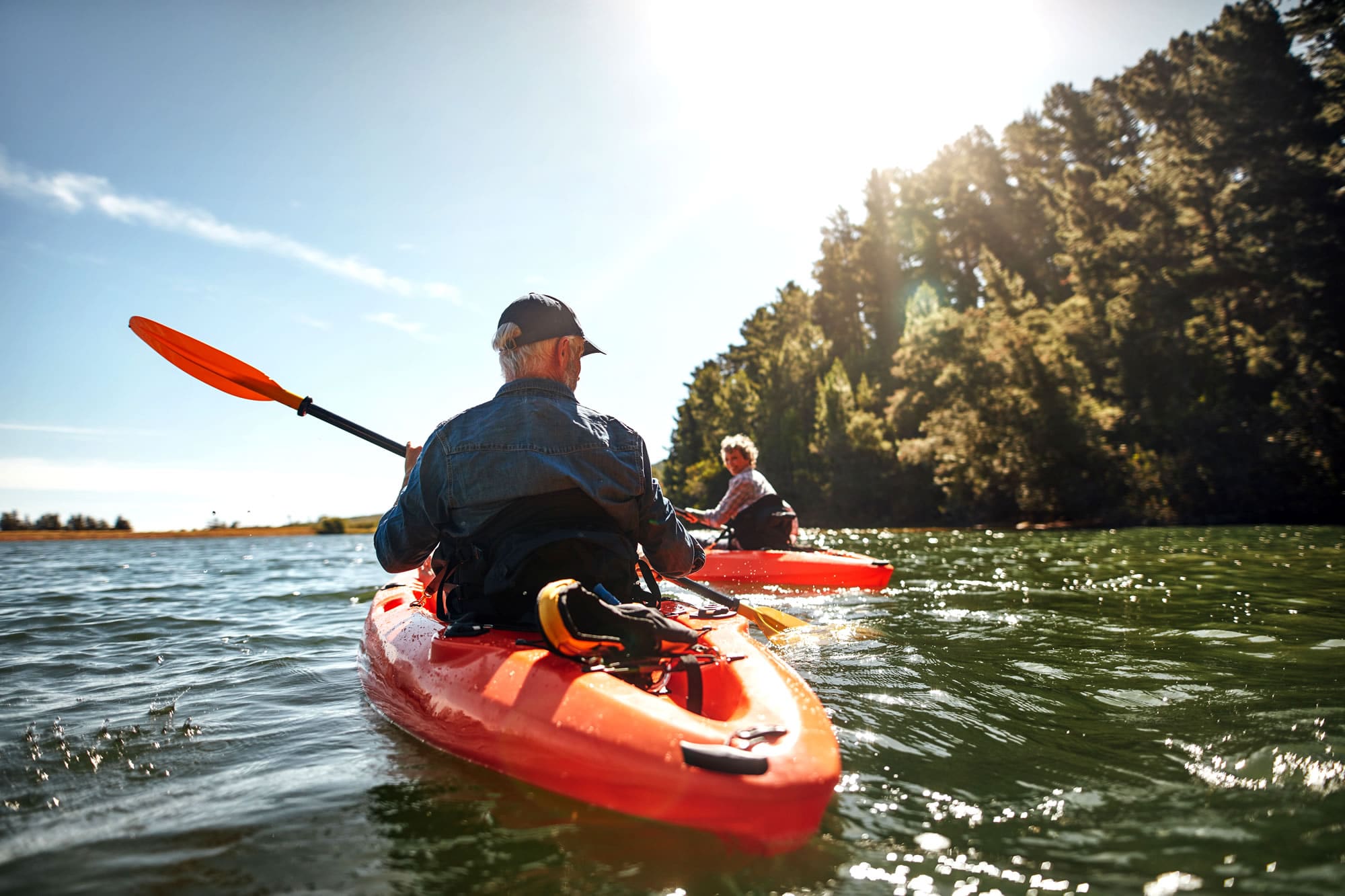
For the record, it doesn’t have to be paid work, unpaid work such as volunteering for a special cause provides the same benefits as paid work. I cannot express this enough. Many people are as busy, if not busier, giving back to their community and participating in charitable pursuits close to heart. If this is an option, go for it.
If not managed properly, retirement can have a long term downside. If you become sedentary by watching TV, eating too much and drinking too much, it can have long-term adverse effects on your health. Then again, some of us already do that in our work and family life, but that is a separate issue. Maybe article.
The bottomline
Don’t feel bad about having to continue working. It just might be the best thing for you. The main point is that the concept of retirement is changing and may not fit the typical retirement that your parents experienced. Its becoming more of the norm for people to defer retirement or work into retirement. People really need to take a reality check and give serious contemplation on what retirement means to them and what they envision their retirement to be. There are a lot of considerations beyond your financial means, although that is the main conduit to what your retirement options can be. By making appropriate choices early in the process as to your ideal and practical retirement is Keeping Life Current.